
What should you look for when choosing a kitchen fitter?
You should look for verifiable qualifications, robust public liability insurance, and a clear track record of transparent, itemised quoting
Key Points:
Verify public liability insurance and professional trade accreditations before any work begins
Demand a fully itemised, written quote that transparently covers all materials, labour, and waste disposal
Check independent review platforms and portfolios rather than relying solely on website testimonials
Avoid tradespeople who ask for large upfront cash payments or use high-pressure sales tactics
Secure a written guarantee covering the specific quality of the physical installation

What qualifications and insurance must a reliable kitchen fitter have?
A reliable kitchen fitter must hold active public liability insurance and possess relevant trade accreditations for specialised tasks
Furthermore, modern kitchen installations frequently involve complex electrical and gas work. By UK law, any individual undertaking gas work must be listed on the official Gas Safe Register. Similarly, complex electrical alterations should be signed off by a qualified electrician registered with a body such as NICEIC or NAPIT. A good fitter will either hold these qualifications themselves or bring in certified specialists to complete those specific stages.
It is entirely reasonable to ask for the registration numbers of any sub-contractors they intend to use on your project. A trustworthy tradesperson will provide this information gladly and without hesitation. If a fitter dismisses the need for certification or suggests they can do regulated gas work without a licence, you must look elsewhere. Safety and legal compliance should never be compromised for a cheaper quote.
How can you check if a kitchen fitter’s reviews are genuinely real?
You can verify a kitchen fitter’s reviews by checking independent, third-party platforms rather than relying solely on testimonials pasted onto their own website
When reading reviews, look for specific, nuanced details about the project. Vague, one-line reviews like “great job” are significantly less reliable than detailed paragraphs explaining the customer’s overall experience. Genuine clients often mention how the fitter handled unexpected problems or how tidy they kept the workspace at the end of the day. This level of authentic detail is very difficult to fake convincingly.
Additionally, a trustworthy kitchen fitter should be more than happy to put you in touch with previous clients
What should a professional, comprehensive kitchen quote actually include?
A genuinely professional quote will clearly itemise every single element of the project, separating the costs for cabinetry, hardware, appliances, and physical labour
You must establish if the quote covers the “dry fit” only—meaning just the basic assembly of the wooden units—or if it encompasses full project management. A comprehensive document will explicitly state whether plumbing connections, electrical first and second fixes, plastering, and final decorating are included. If these elements are excluded, you will need to budget separately for additional contractors. Knowing this upfront prevents major financial surprises midway through the build.
The quote must also clearly outline the payment schedule. It should detail exactly when the initial deposit is required and when subsequent stage payments are due throughout the build. Responsible businesses never demand the entire project balance before work commences. Staged payments ensure that you retain financial leverage until the installation is completed to an acceptable standard.
How should a reputable kitchen fitter handle waste disposal?
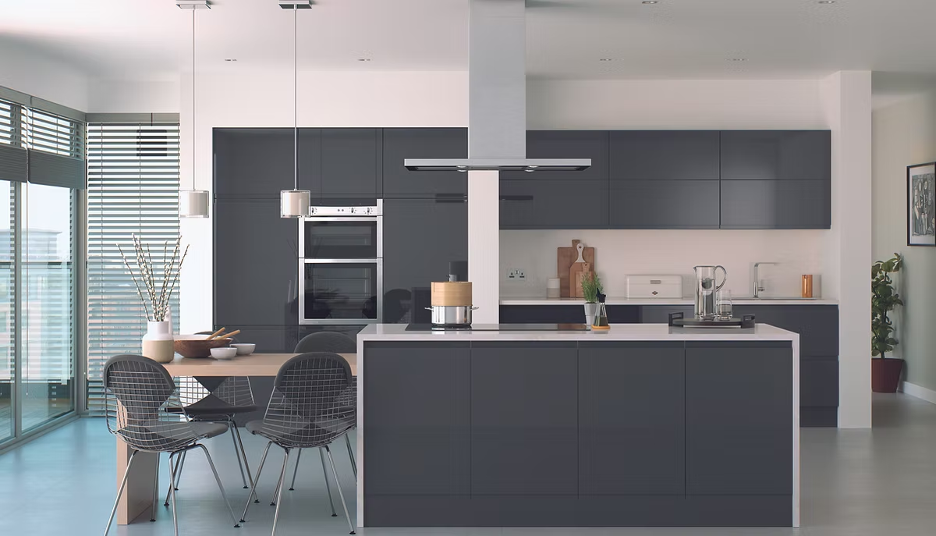
A reputable fitter will explicitly detail their waste disposal plan in their quote, confirming whether skip hire and responsible removal are included
If waste removal is not included in the primary quote, you could face unexpected expenses for commercial skip hire. Furthermore, tradespeople are legally required to dispose of commercial waste at licensed facilities, which incurs a fee. Unscrupulous fitters might try to dump the waste illegally or pressure you into taking it to a local domestic tip yourself. A true professional manages the entire clearance process legally and transparently.
You should also ask how they plan to protect the rest of your home from dust and debris during the strip-out phase. Reliable teams will lay down protective floor coverings and seal off adjacent rooms to minimise the mess. They will also commit to a daily clean-up routine to ensure your home remains as habitable as possible during the disruption.
What warning signs and red flags should you avoid?
The most glaring warning signs are demands for large cash deposits upfront, a lack of a verifiable physical business address, and aggressive sales tactics
Never hand over the full project cost before a single tool has been lifted. While a reasonable deposit to cover bespoke materials is standard, asking for the majority of the money in cash on day one is a massive red flag
Another major red flag is an inability or refusal to commit to a firm start date or a written contract. If a fitter is vague about when they will show up, they are likely overbooking themselves. Similarly, if they try to convince you that written agreements are unnecessary between friends, you must walk away. A formal contract is the only way to guarantee your consumer rights are fully protected.
Why is a written guarantee on workmanship so important?
A written guarantee provides you with legal recourse and peace of mind if the installation fails or develops faults after the tradespeople have left
Even the highest quality kitchens can suffer from alignment issues as the new materials settle into the environment of your home. Heavy cabinet doors can drop slightly, and freshly sealed worktops might require minor adjustments over time. A reliable fitter provides a clear workmanship guarantee, usually lasting at least 12 months. This states they will return to resolve these snagging issues free of charge.
Always ask to see a copy of their standard guarantee terms before you sign the main contract. Check exactly what is excluded and whether the guarantee is transferable if you decide to sell your property in the near future. Rogue traders will refuse to offer any written promises and often ignore your phone calls once the final invoice has been paid.
| Feature | A Reputable Kitchen Fitter | A Rogue Trader |
|---|---|---|
| Quoting Process | Fully itemised, detailed, and provided in writing. | Vague verbal estimates subject to sudden changes. |
| Insurance Coverage | Holds up-to-date public liability insurance. | Cannot provide proof of valid insurance. |
| Payment Terms | Staged payments aligned with project milestones. | Demands large cash sums upfront. |
| Trade Accreditations | Uses certified sub-contractors for gas and electrics. | Attempts to complete regulated work uncertified. |
| Workmanship Guarantees | Provides a written guarantee for physical fitting. | Refuses to return once final payment is made. |
Frequently Asked Questions
Should a kitchen fitter provide a detailed written contract?
Yes, you must always secure a detailed written contract before work begins. This essential document outlines the exact scope of works, the agreed timeline, and the payment schedule. A formal contract protects both you and the fitter if any unexpected disputes arise during the project.
How do I check if a fitter is Gas Safe registered?
You can verify their registration by asking to see their official Gas Safe ID card when they arrive. You should then check their unique licence number directly on the Gas Safe Register website to ensure their credentials remain valid and completely up to date.
What happens if the fitter finds unexpected damage behind old units?
A reputable fitter will immediately stop work and show you the hidden issue, such as damp or structural damage. They will then explain the implications and provide a transparent, written quote for the necessary remedial work before proceeding with any further kitchen installation.
Is it normal for fitters to ask for a project deposit?
Yes, a reasonable deposit is standard industry practice to cover the initial cost of bespoke materials. However, you should never pay the entire project balance upfront. Payments should always be broken down into structured stages that align clearly with specific, agreed project milestones.
Should I buy my own materials or let the fitter source them?
Letting your fitter source the core building materials is usually safer, as they understand the exact technical specifications required. If you choose to supply specialist items like appliances yourself, you must ensure they arrive on-site exactly when the installation schedule demands them.
Explore Our Portfolio
Dive into our gallery to see the stunning transformations we’ve achieved for our clients. Each project reflects our dedication to quality, detail, and client satisfaction.
Ready to bring your vision to life?
Contact us today to schedule a home appointment and take the first step towards transforming your space.